Does NZ's Medtech Leader Live Up to Its Strategic Purpose? Four Choices Determine It.
Testing Fisher & Paykel Healthcare’s strategy against what it says it stands for.


This post forms part of a series of papers and assignments I have prepared for my education under the International Chartered Governance Programme (ICGP) at the Chartered Governance Institute of New Zealand. The context for my latest professional development can be found in my earlier post. It also follows on from my previous review 0f Fisher & Paykel Healthcare's risk and compliance management.
In this post, I take on the role of an independent consultant briefing the board of Fisher & Paykel Healthcare (F&P), New Zealand's respiratory and sleep therapy device maker. The question is simple: does F&P's strategy actually live up to its stated strategic purpose? I look at the environment F&P operates in, test whether its purpose drives where it spends its money, and then examine four positioning choices that will determine how convincingly it can defend that purpose. From the opening left by Philips' continuous positive airway pressure (CPAP) recall to its yet to be stated approach to AI.
Disclaimer: This paper was prepared as part of an academic assignment. The views, analysis, and recommendations presented are my own and do not reflect the positions of my employer or any affiliated organisations. The content is intended for learning and discussion purposes only, and should not be taken as professional advice.
Industry and Company Context
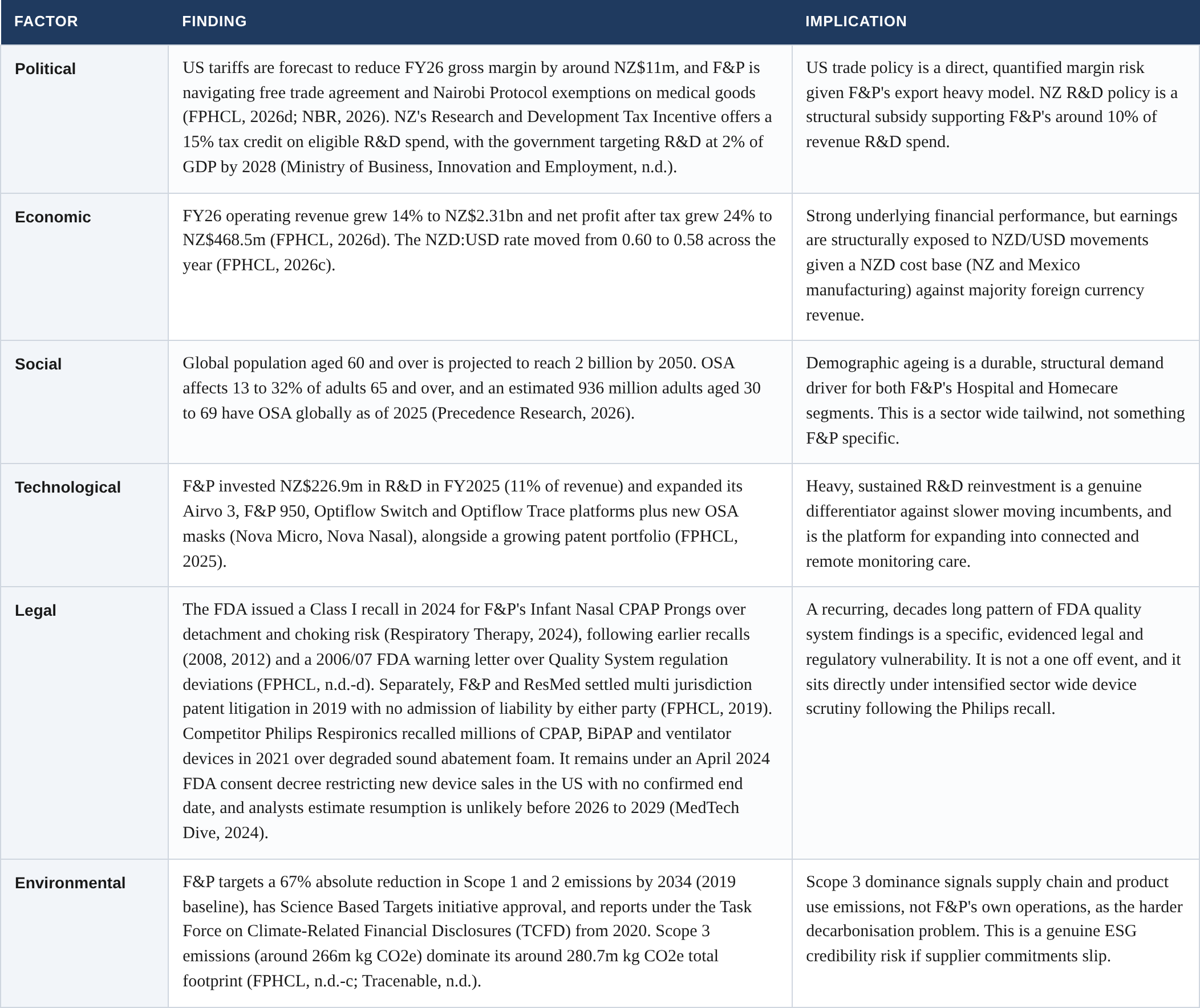
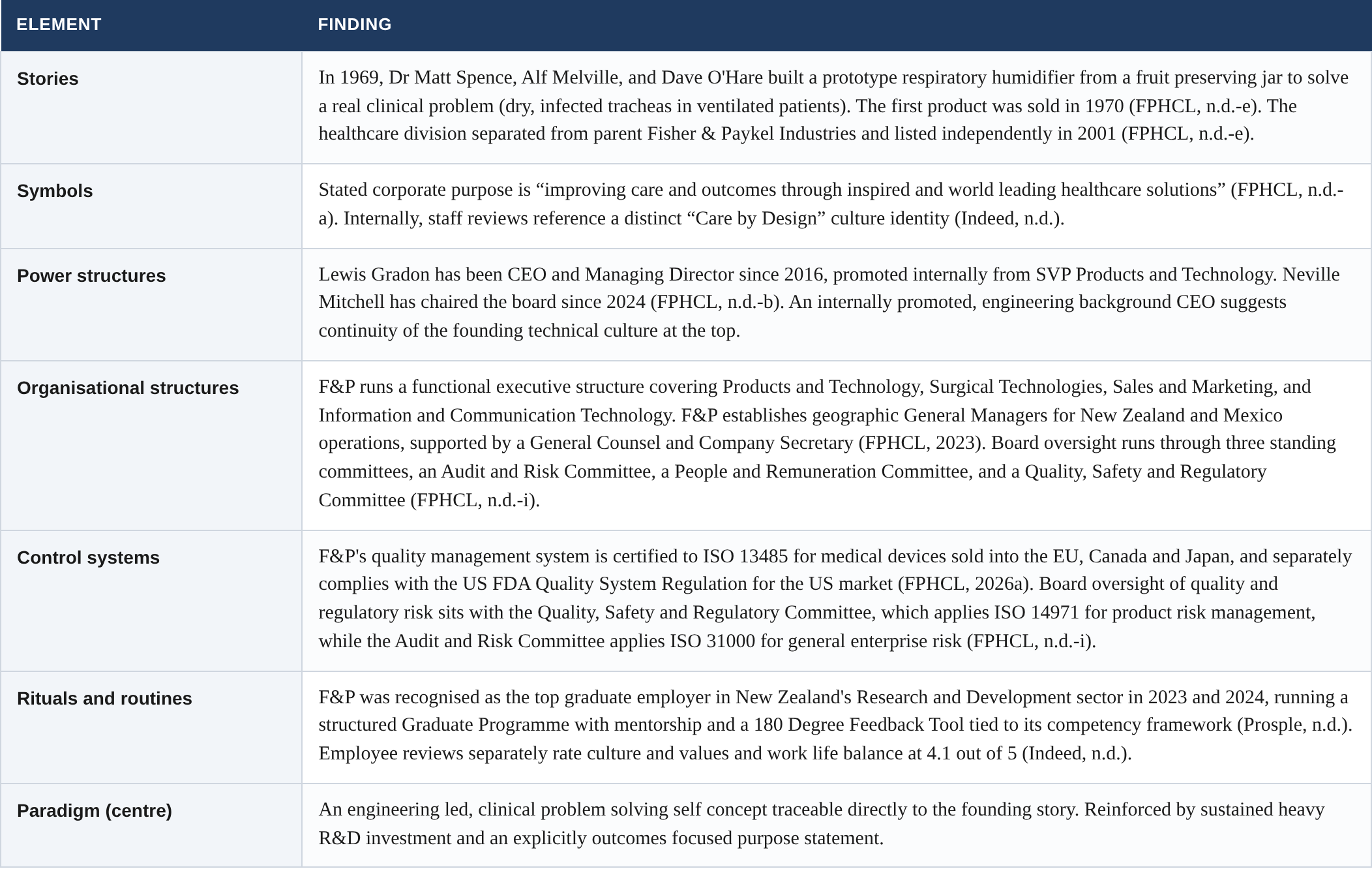
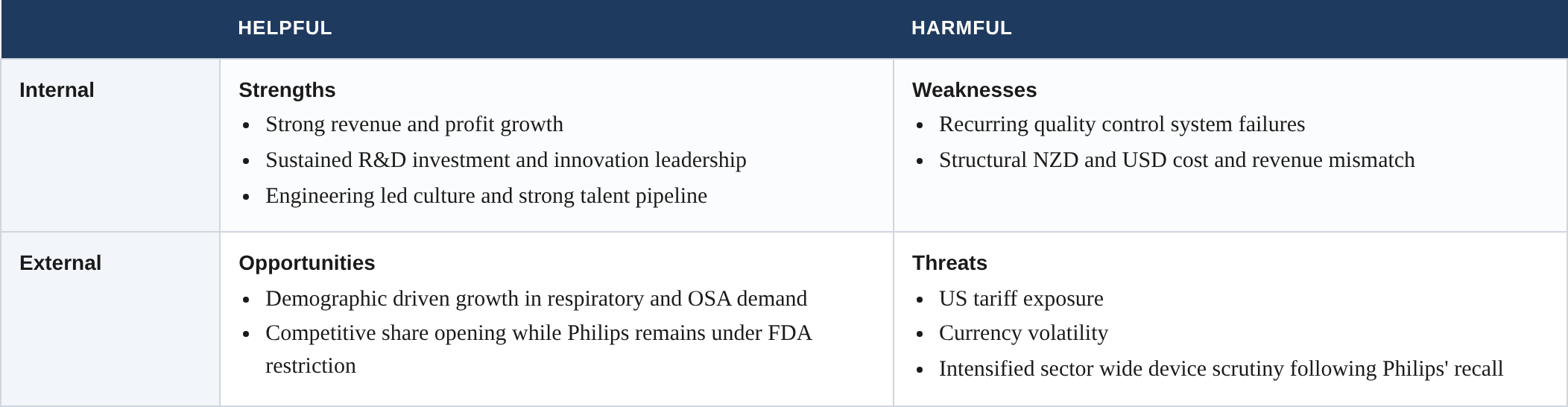
Fisher & Paykel Healthcare (F&P) operates in the respiratory and sleep therapy device sector. A PESTLE analysis of the external environment (Appendix A) and a Cultural Web analysis of F&P's internal environment (Appendix B) were synthesised into a SWOT analysis (Appendix C) that informs the discussion below.
Demand is structurally growing, with the global population aged 60 and over projected to reach 2 billion by 2050 (World Health Organization [WHO], 2025). An estimated 936 million adults aged 30 to 69 are living with obstructive sleep apnea in 2025 (Precedence Research, 2026). At the same time, the sector is under closer scrutiny following Philips Respironics' 2021 device recall and its ongoing FDA consent decree. Analysts expect this development will restrict new device sales in the US until 2026 to 2029 (MedTech Dive, 2024). F&P stands out as a research heavy, engineering led organisation. While F&P operates under ISO 13485, ISO 14971 and ISO 31000 certified quality and risk systems, those same systems have not prevented a recurring pattern of quality findings across two decades, most recently the 2024 Airvo 2 and myAirvo 2 recall (Fisher & Paykel Healthcare Corporation Limited [FPHCL], n.d.-d, 2024). F&P's growth ambitions and its own quality track record now sit inside a sector with far less tolerance for error than before.
F&P also faces financial headwinds outside its control. Its manufacturing cost base in New Zealand and Mexico is structurally exposed to currency volatility against its largely foreign currency revenue, with the NZD:USD rate moving from 0.60 to 0.58 within FY26 alone (FPHCL, 2026c). On top of this sits an estimated NZ$11m tariff impact forecast for the same year (NBR, 2026). Neither is within F&P's control, but both require active management given their direct bearing on F&P's bottom line.
F&P's Strategic Purpose
F&P's stated purpose is "improving care and outcomes through inspired, world-leading healthcare solutions" (FPHCL, 2026a, p. 20). Its value-creation model (Appendix D) cascades this purpose through three strategic pillars (Better Products, Change Clinical Practice and Global Reach) into a single measurable objective of doubling constant-currency revenue every five to six years.
Assessing F&P's Strategic Purpose
Applying the Purpose-Mission-Vision-Objectives hierarchy (Whittington et al., 2023), F&P's objective of doubling revenue every five to six years is specific and measurable, distinct from the abstract purpose it descends from. Malnight et al.'s (2019) "strategic drift" test asks whether purpose actually drives resource allocation, or functions as public relations. The evidence favours the former, where F&P's R&D investment reached $235.5 million in FY26 (10% of revenue, $1.5 billion cumulative over ten years) and capital has been committed across three distinct regions (New Zealand, Mexico and China), rather than concentrated in one market (FPHCL, 2026a). These are material, ongoing commitments that suggest F&P's purpose currently passes the strategic drift test.
Aligning Current and Future Strategic Positioning
1. Capturing the Gap Philips Left Behind
F&P is well positioned to capture the opportunity Philips has left open. Its FY26 revenue grew 14% and net profit after tax grew 24% (FPHCL, 2026d), giving it the financial base to invest and capture expanding market share. Its R&D continues to fund new products including Airvo 3 and the Optiflow platform (FPHCL, 2026a), positioning F&P to serve structurally growing demand.
Capturing this opportunity, however, runs straight into F&P's most significant challenge, which lies in the interaction between its weaknesses and threats (Appendix C). The recurring product quality control pattern carries cost and reputational risk. What has changed is the environment it now lands in. Philips, whose unresolved FDA restriction has sharply reduced tolerance for device quality failures across the entire respiratory care category (MedTech Dive, 2024), has lost years of market access over this issue. A quality event that F&P might once have absorbed as routine now carries far greater consequences, inviting closer scrutiny from regulators, customers and investors.
Given its own quality control history, F&P carries a similar regulatory exposure to the one that sidelined Philips. Investment in the systems behind ISO 13485, ISO 14971 and ISO 31000 certification should therefore be treated as the cost of entry for pursuing this market. Strength and opportunity only compound in F&P's favour once this weakness stops undermining them.
2. Hospital Versus Homecare Growth
F&P's growth is increasingly concentrated in Hospital rather than Homecare. In FY26, Hospital revenue increased 18%, led by new applications consumables and hardware sales (FPHCL, 2026a, p. 8). Homecare grew only 8%, with obstructive sleep apnea (OSA) mask revenue up just 7% (FPHCL, 2026a, p. 9). This divergence sits uneasily against a purpose framed around universal patient care, not just one segment (FPHCL, n.d.-a). The risk is about timing. GLP-1 weight-loss medications are already reshaping OSA patient profiles, as significant weight loss changes facial structure and increases the need for mask refitting. F&P's own clinical education already reflects this shift, with its Mask Matters Most webinar series covering how GLP-1s influence OSA severity and mask fit (FPHCL, n.d.-j). The strategic question is whether Homecare investment accelerates fast enough to capture it, ahead of competitors also moving into this space (Kaye, 2026; Philips, 2024).
3. Obstructive Sleep Apnea (OSA) Outreach Programme
Building on the above, F&P's outreach also skews toward patients already diagnosed. The myMask app (FPHCL, n.d.-g) and "I'm a consumer" portal (FPHCL, n.d.-h) support onboarding and compliance for existing CPAP users. Meanwhile F&P's clinician symposia, its only proactive education effort, target prescribers, not the public. Yet up to 80% of moderate to severe OSA cases in the United States remain undiagnosed despite adequate healthcare access (Watson et al., 2025). This is a genuine gap against a purpose framed around improving care and outcomes broadly. F&P is investing in retention within a small diagnosed slice, while the far larger undiagnosed population receives no comparable effort to generate demand. Even a modest awareness or screening campaign could open a substantially larger addressable market than incremental mask upgrades alone.
4. AI and R&D Capitalisation
F&P's public disclosures show no stated artificial intelligence (AI) strategy, despite having the scale to build one. AI is already reshaping how medical device and life sciences companies run research, including using generative models to shorten drug design phases that traditionally take months (Härlin et al., 2023). F&P has disclosed no move in this direction. This is despite already holding a genuine data asset through InfoSmart, its therapy compliance platform, which could support predictive adherence modelling rather than retrospective reporting alone (FPHCL, n.d.-f). Board level frameworks for AI oversight, covering strategy fit, governance literacy, risk management and accountability, are directly applicable here (Lund et al., 2023), but this kind of oversight does not appear reflected in F&P's public strategy. With cumulative R&D investment over the past decade exceeding $1.5 billion (FPHCL, 2026a, p. 6) and a purpose to provide world leading healthcare solutions, AI capitalisation is arguably the clearest lever available for F&P to defend that claim.
Conclusion
Overall, F&P's strategic purpose genuinely shapes its strategy and delivery, evidenced by sustained R&D and investment in expanding and diversifying its manufacturing capabilities. Yet alignment weakens at the level of specific positioning choices. The Philips gap is the largest near-term opportunity, while Hospital led growth, limited consumer facing OSA engagement and unexploited AI opportunities each represent areas for increased resource allocation to better fulfil F&P's purpose. None of these threaten the purpose itself, but each represents a live choice about how convincingly F&P can defend a genuinely world leading, universally patient centered position as competitors and clinical practice continue to evolve.
Running through all four choices is the quality control gap, and closing it should be the board's immediate priority. A purpose this explicit can easily be undermined by recurring, preventable quality failures. Demonstrated improvement in this area determines whether F&P can credibly capture the growth ahead of it, and whether its stated purpose of improving care and outcomes remains believable to regulators, customers and its own employees.
Appendix A – PESTLE Framework
Appendix B – Cultural Web
Appendix C – SWOT Analysis
Appendix D – F&P's Purpose, Culture, Values and Beliefs
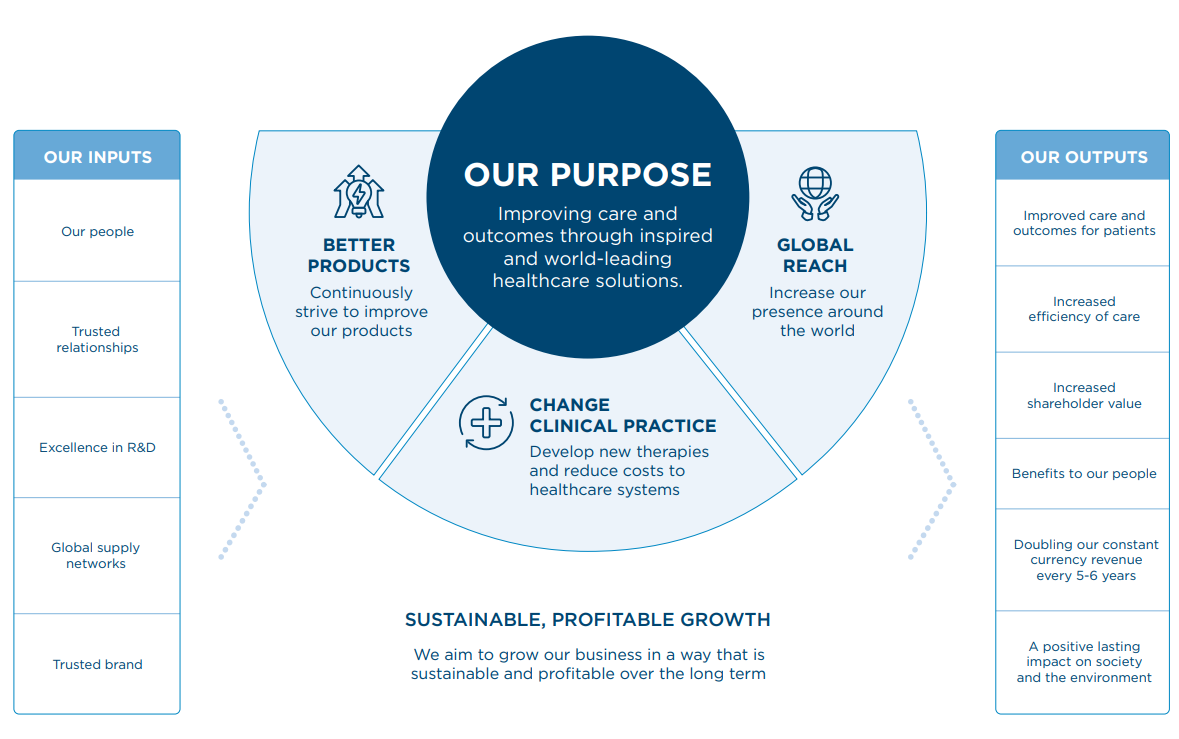
Image 1. How F&P delivers value (FPHCL, 2026a, p. 19).
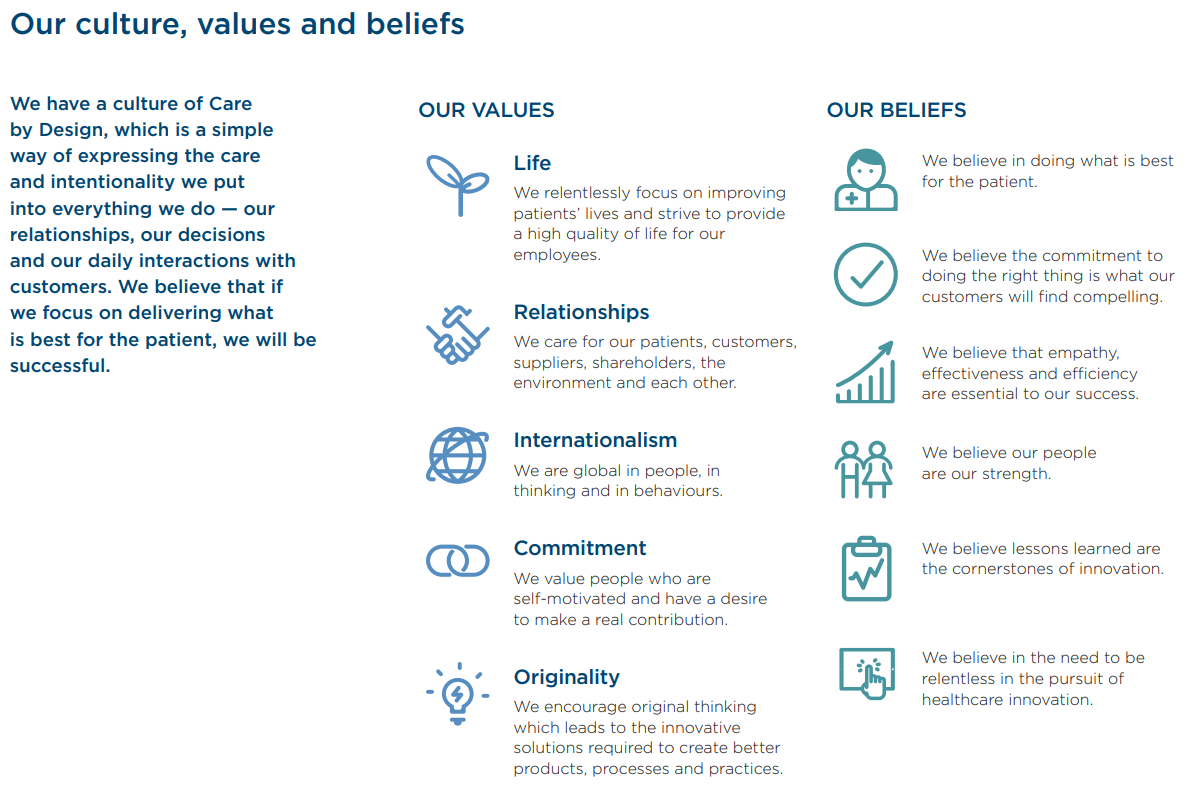
Image 2. F&P's culture, values and beliefs (FPHCL, 2026a, p. 17).
References
Fisher & Paykel Healthcare Corporation Limited. (n.d.-a). About us. Retrieved August 6, 2026, from https://www.fphcare.com/nz/corporate/about-us/
Fisher & Paykel Healthcare Corporation Limited. (n.d.-b). Board of directors. Retrieved August 6, 2026, from https://www.fphcare.com/us/corporate/about-us/directors/
Fisher & Paykel Healthcare Corporation Limited. (n.d.-c). Corporate responsibility and sustainability: Environment. Retrieved August 6, 2026, from https://www.fphcare.com/us/corporate/sustainability/environment/
Fisher & Paykel Healthcare Corporation Limited. (n.d.-d). Fisher & Paykel Healthcare receives FDA warning letter [Press release]. Retrieved August 6, 2026, from https://www.fphcare.com/us/corporate/investor/news/archive/fisher-paykel-healthcare-receives-fda-warning-lett/
Fisher & Paykel Healthcare Corporation Limited. (n.d.-e). History. Retrieved August 6, 2026, from https://www.fphcare.com/us/corporate/about-us/company-history/
Fisher & Paykel Healthcare Corporation Limited. (n.d.-f). InfoSmart. https://www.fphcare.com/nz/homecare/sleep-apnea/software-and-data-management/infosmart/
Fisher & Paykel Healthcare Corporation Limited. (n.d.-g). MyMask app. https://www.fphcare.com/nz/homecare/sleep-apnea/software-and-data-management/mymask/
Fisher & Paykel Healthcare Corporation Limited. (n.d.-h). My sleep apnea. Retrieved August 9, 2026, from https://www.fphcare.com/us/my-sleep-apnea/
Fisher & Paykel Healthcare Corporation Limited. (n.d.-i). Board committees. Retrieved August 9, 2026, from https://www.fphcare.com/us/corporate/sustainability/governance/board-committees/
Fisher & Paykel Healthcare Corporation Limited. (n.d.-j). The Mask Matters Most webinar series. Retrieved October 17, 2026, from https://www.fphcare.com/us/homecare/campaigns/the-mask-matters-most-webinar-series/
Fisher & Paykel Healthcare Corporation Limited. (2019). ResMed and Fisher & Paykel Healthcare announce settlement of global patent infringement litigation [Press release]. https://www.fphcare.com/us/corporate/news/fy19/resmed-fph-announce-settlement/
Fisher & Paykel Healthcare Corporation Limited. (2023, December 20). Fisher & Paykel Healthcare expands executive management team, Paul Shearer to retire as Senior Vice President - Sales & Marketing [Press release]. https://www.fphcare.com/us/corporate/investor/news/fy24/fph-expands-executive-management-team/
Fisher & Paykel Healthcare Corporation Limited. (2024, March 28). Fisher & Paykel Healthcare initiates voluntary limited recall of Airvo 2 and myAirvo 2 devices manufactured before 14 August 2017 [Press release]. https://www.fphcare.com/us/corporate/news/fy24/fph-voluntary-limited-recall-of-airvo2-myairvo2/
Fisher & Paykel Healthcare Corporation Limited. (2025). Record full-year revenue result for Fisher & Paykel Healthcare [Press release]. https://www.fphcare.com/us/corporate/news/record-full-year-revenue-result-for-fisher-paykel-healthcare/
Fisher & Paykel Healthcare Corporation Limited. (2026a). Annual report 2026. https://resources.fphcare.com/content/fph-fy26-full-year-report.pdf
Fisher & Paykel Healthcare Corporation Limited. (2026c). Fisher & Paykel Healthcare updates FY26 revenue and earnings guidance [Press release]. https://www.fphcare.com/us/corporate/investor/news/fph-updates-fy26-revenue-and-earnings-guidance/
Fisher & Paykel Healthcare Corporation Limited. (2026d, May 28). FPH reports strong revenue and profit growth for FY26 [Press release]. NZX. https://www.nzx.com/announcements/473285
Härlin, T., Björnsson Rova, G., Singla, A., Sokolov, O., & Sukharevsky, A. (2023, April 26). Exploring opportunities in the generative AI value chain. McKinsey & Company. https://www.mckinsey.com/capabilities/quantumblack/our-insights/exploring-opportunities-in-the-generative-ai-value-chain
Indeed. (n.d.). Working at Fisher & Paykel Healthcare: Reviews. Retrieved August 6, 2026, from https://nz.indeed.com/cmp/Fisher-&-Paykel-Healthcare/reviews
Kaye, B. (2026, February 3). Sleep device maker ResMed ramps up doctor outreach to tap Ozempic surge. Reuters. https://www.aol.com/articles/sleep-device-maker-resmed-ramps-052945050.html
Lund, F., Maor, D., Spielmann, N., & Sukharevsky, A. (2023, July 7). Four essential questions for boards to ask about generative AI. McKinsey & Company. https://www.mckinsey.com/capabilities/quantumblack/our-insights/four-essential-questions-for-boards-to-ask-about-generative-ai
Malnight, T. W., Buche, I., & Dhanaraj, C. (2019). Put purpose at the core of your strategy. Harvard Business Review, 97(5), 70–78.
MedTech Dive. (2024). Philips restricted from selling respiratory machines in DOJ consent decree. https://www.medtechdive.com/news/philips-respironics-consent-decree-fda-sleep-apnea/712760/
Ministry of Business, Innovation and Employment. (n.d.). Research and Development Tax Incentive. Retrieved August 6, 2026, from https://www.mbie.govt.nz/science-and-technology/science-and-innovation/funding-information-and-opportunities/r-d-tax-incentive
NBR. (2026). F&P Healthcare to be hit with $11m US tariff impact in FY26. https://www.nbr.co.nz/investment/fisher-and-paykel-healthcare-says-us-tariff-impact-11m-in-fy26/
Philips. (2024). Learning from customers, clinicians and the evolving industry. https://www.philips.com/a-w/about/news/archive/features/2024/learning-from-customers-clinicians-and-the-evolving-industry.html
Precedence Research. (2026). Sleep apnea devices market size to hit USD 14.00 Bn by 2035. https://www.precedenceresearch.com/sleep-apnea-devices-market
Prosple. (n.d.). Fisher & Paykel Healthcare graduate programmes. Retrieved August 9, 2026, from https://nz.prosple.com/graduate-employers/fisher-paykel-healthcare
Respiratory Therapy. (2024). Class I recall for Fisher & Paykel Infant Nasal CPAP Prongs. https://respiratory-therapy.com/products-treatment/industry-regulatory-news/recalls-advisories/class-i-recall-f-and-p-infant-nasal-cpap-prongs/
Tracenable. (n.d.). Fisher & Paykel Healthcare: Climate targets, emissions pathways, scope coverage & progress. Retrieved August 6, 2026, from https://tracenable.com/company/fisher-and-paykel-healthcare/climate-targets
Watson, N., Yu, K., Campbell, D., Bloudek, L., Yee, J., Cronin, J., Sanchez Azofra, A., & Boskovic, N. (2025). 0637 Prevalence and unmet need of obstructive sleep apnea in the United States. Sleep, 48(Suppl. 1), A278. https://doi.org/10.1093/sleep/zsaf090.0637
Whittington, R., Angwin, D., Regnér, P., Johnson, G., & Scholes, K. (2023). Exploring strategy (13th ed.). Pearson.
World Health Organization. (2025, October 1). Ageing and health. https://www.who.int/news-room/fact-sheets/detail/ageing-and-health